350,000 cardiac arrests occur outside the hospital every year. This number is considerably high and alarming. Interestingly, bystanders can be the difference between life and death for those suffering in this situation, by applying cardiopulmonary resuscitation, or CPR. Yet many people still hesitate to perform it because of common myths and misconceptions.
From believing mouth-to-mouth is always required to thinking CPR restarts the heart, these misunderstandings can prevent people from acting during a life-threatening emergency.
In this article, we’ll debunk the most common CPR myths and explain what current Australian CPR guidelines actually recommend.
Debunking Common CPR Myths and Misconceptions
Before we shed light on the common misunderstandings of performing CPR, let us get to know more about the well-known first aid method.
Since 1960, CPR has saved thousands of lives and has become a vital discipline in healthcare. With CPR’s aptitude to save lives, many should be acquainted with it. Besides healthcare workers, laypeople can also perform the medical practice to respond to life-threatening incidents, like when someone is not breathing normally, or their heart has stopped pumping enough oxygen to the body (cardiac arrest).
Studies show that 80% of cardiac arrest incidents happen at home. That is why now is the perfect time to learn how to perform CPR properly. It is a vital skill to learn, especially for those who are not working in the healthcare industry but want to reduce the risks of deadly incidents.
Now that you know more about CPR, here are the most common myths people believe before enrolling in a CPR course. We will debunk them in the list below.
Myth Number 1: You Must Perform Mouth-to-Mouth During CPR
Giving a victim artificial ventilation through the mouth is not mandatory. It is a misconception that often discourages people from booking a CPR course.
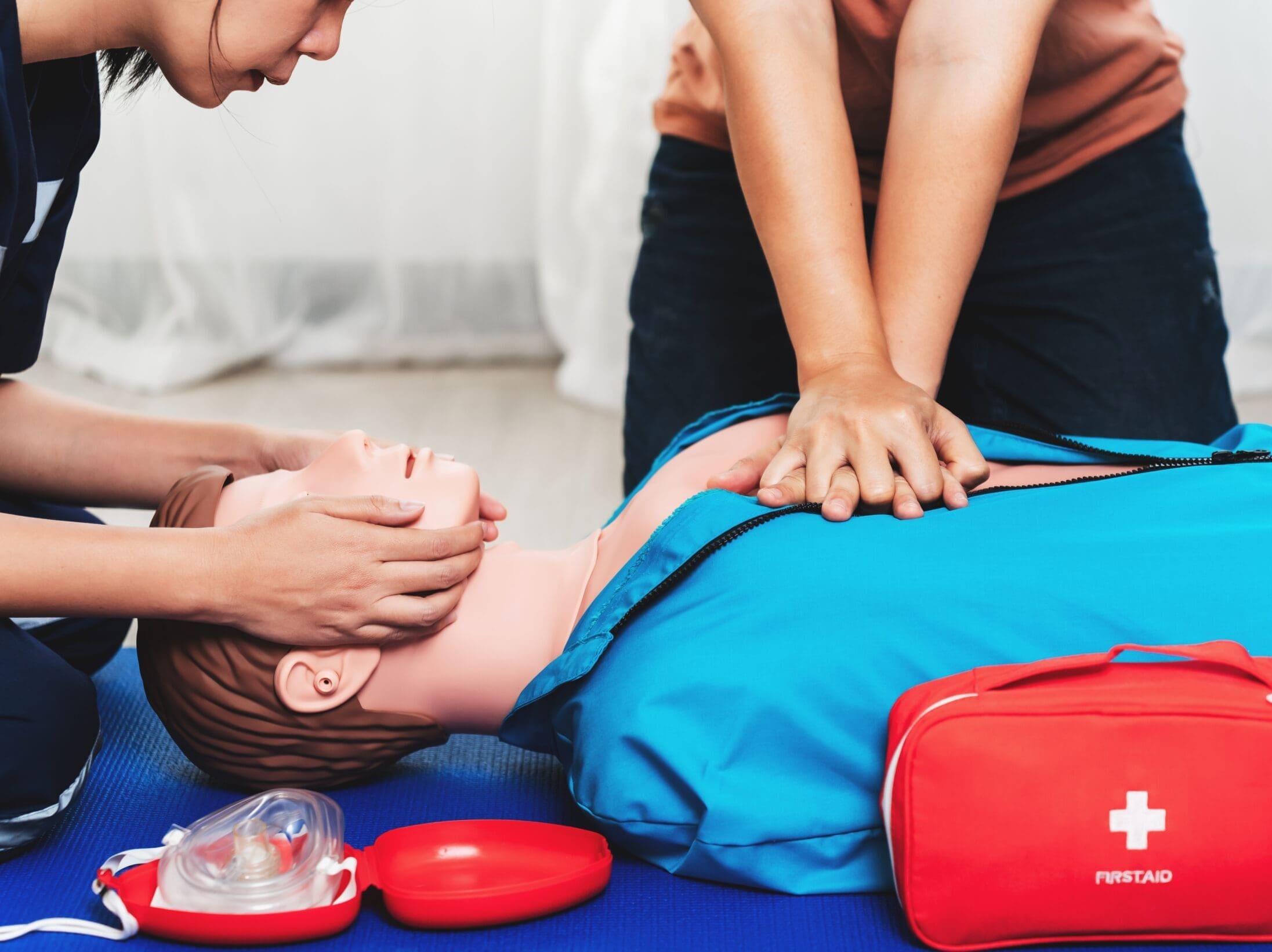
While rescue breaths are an important part of CPR, if you’re unwilling or unable to provide them, compression-only CPR is recommended for most adult sudden cardiac arrests. Taking action with chest compressions is far better than doing nothing while waiting for emergency services.
Myth Number 2: CPR Restarts the Heart
The biggest misconception when it comes to performing CPR is that it can restart a victim’s heart in an asystole condition.
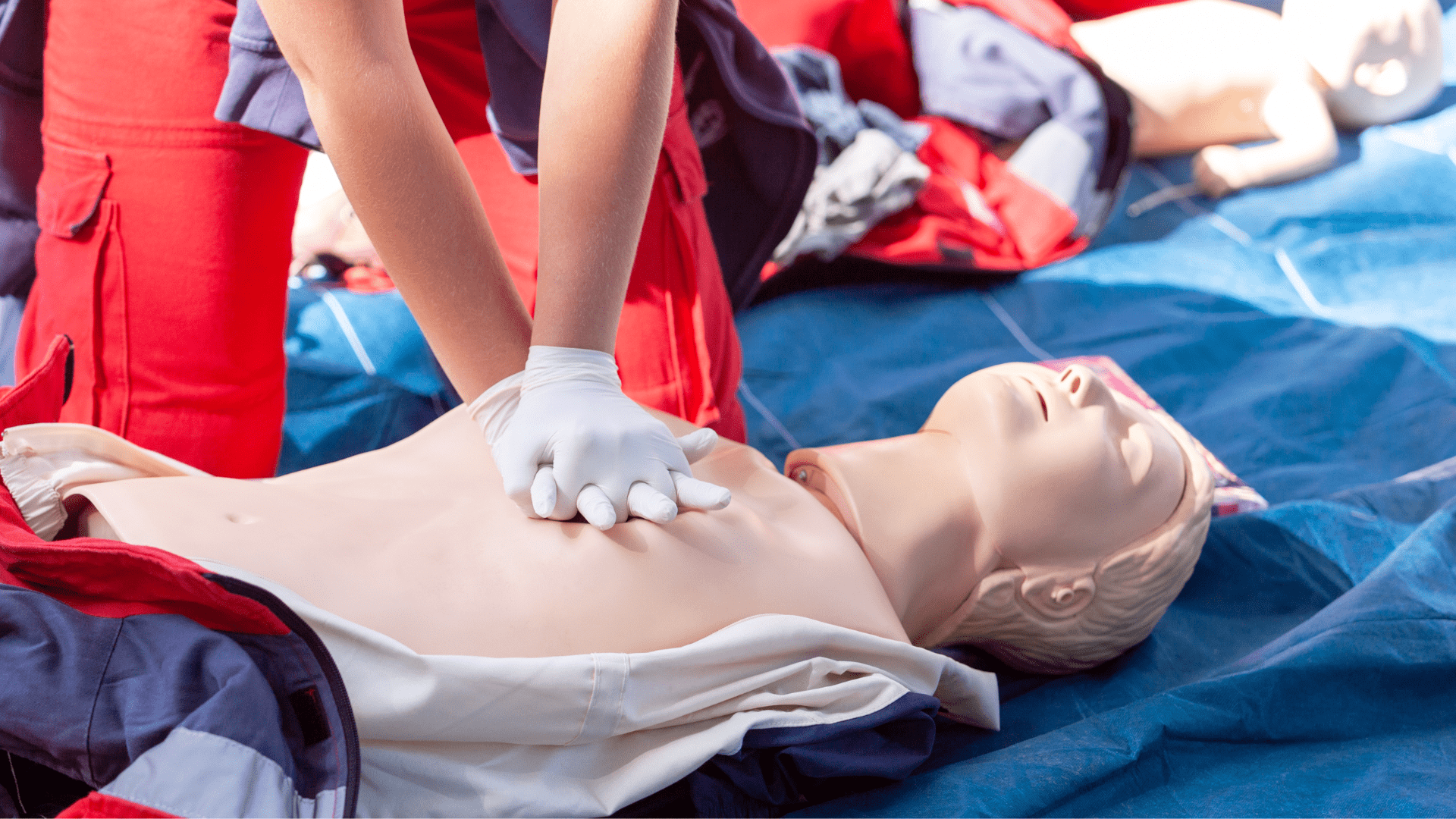
CPR does not restart the heart. Instead, it helps keep oxygenated blood circulating to the brain and vital organs until an Automated External Defibrillator (AED) or emergency medical professionals can provide advanced treatment. Early CPR can significantly improve a person’s chance of survival. Only an AED can help normalise the rhythm of the victim’s heart.
Myth Number 3: CPR Always Breaks Ribs
It is possible for ribs to fracture during effective chest compressions, particularly in older adults. However, this is a recognised risk and should never stop you from performing CPR. Broken ribs can heal, but without CPR, a person in cardiac arrest has little chance of survival.
Myth Number 4: You Shouldn’t Perform CPR Unless You’re Fully Trained and Confident in your Ability to Perform it
Many people hesitate because they worry about getting it wrong or believe they need extensive CPR training before they can help. It is true that CPR does not work all the time, however when it is performed and an AED is used survival rates can increase to 60-70%. If someone is in cardiac arrest, doing something is almost always better than doing nothing. Emergency call operators can provide CPR instructions over the phone, and even chest compressions alone can help keep blood flowing until paramedics arrive.
Myth Number 5: Your CPR Training Never Needs Refreshing
Your nationally recognised CPR course qualification does not expire. However, the Australian Resuscitation Council recommends refreshing CPR skills every 12 months because skills and confidence can decline over time. Many employers and industries also require annual CPR refresher training to meet workplace policies or industry standards.
Myth Number 6: Getting CPR Training Online Works the Same as Face-to-Face
With so many online learning providers available, it is easy to assume that a 100% self-paced online CPR course is equivalent to accredited CPR training. However, this is a common misconception.
While online learning can effectively teach CPR theory, accredited CPR training requires more than completing an online module. Most 100% self-paced online CPR courses are non-accredited because official life-saving standards require a physical, hands-on practical assessment on a CPR manikin. Without this assessment, participants cannot achieve a nationally recognised CPR outcome.
Practical training helps build the confidence and skills needed to respond effectively in a real-life emergency.
CPR Course in Brisbane: Saving Lives and Fighting for Every Heartbeat
When it comes to a life-threatening emergency, every second counts. Knowing CPR can give someone the best possible chance of survival while waiting for emergency services to arrive. Whether you’re completing CPR training for work, meeting industry requirements, or simply wanting the confidence to help a family member or stranger, learning this life-saving skill is an investment that can make a real difference.
Australian Training Institute delivers nationally recognised CPR training from our Albion and Ipswich campuses, with experienced trainers providing practical, hands-on instruction to help you build the skills and confidence to respond in an emergency.
Book your CPR course today or speak with our team to find the next available class.
Albion Campus
Shop 1, 10 Albion Road, Albion QLD 4010
Ipswich Campus
Level 2, Suite 2, 16 East Street, Ipswich QLD 4305