If you’re looking into workplace fire safety training, you’ve probably come across three course names that sound similar but cover quite different responsibilities: Fire Extinguisher Training, Fire Warden Training, and Chief Fire Warden Training. Understanding what each one actually involves — and who it’s designed for — makes it much easier to work out which course (or courses) your workplace actually needs.
Australian Training Institute delivers all three as nationally recognised courses, so below is a breakdown of each role, what the training covers, and how they fit together in a workplace fire response.
The Short Answer
Fire safety training exists to make sure people in a workplace know how to prevent a fire, respond to one safely, and get everyone out if needed. Different roles carry different levels of responsibility in that response — from an individual staff member using an extinguisher, through to someone coordinating a full building evacuation. That’s why fire safety training isn’t just one course, but a few, each covering a different part of the response.
Fire Extinguisher Training
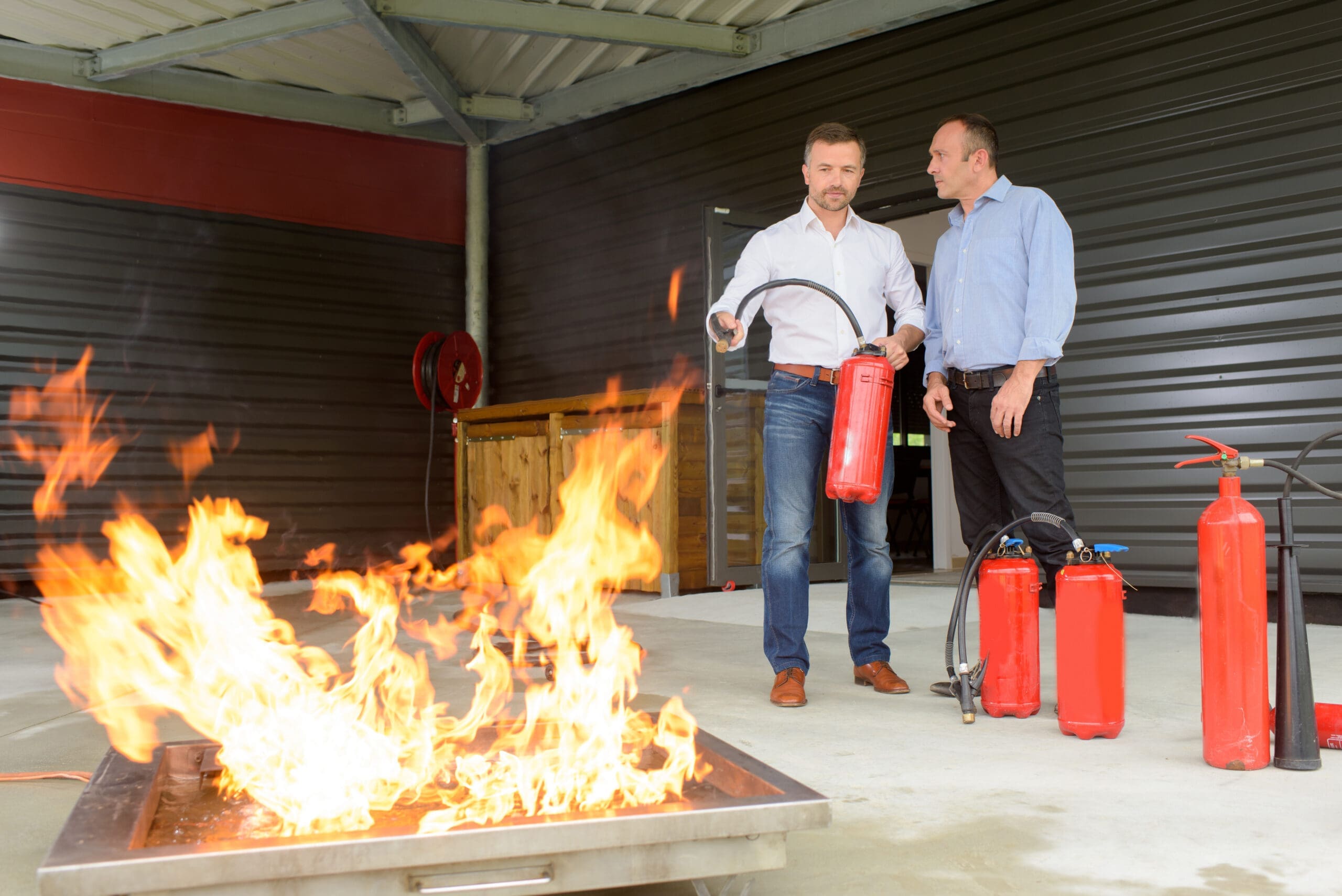
At Australian Training Institute, Fire Extinguisher Training is aimed at general staff — it’s about giving everyday employees the skills to respond in the critical first moments of a fire, before it has a chance to spread. It’s usually one of the shortest and most widely required courses, since most workplaces want at least some staff able to respond confidently if a small fire breaks out.
The course covers:
- Identifying fire hazards — understanding what materials and conditions in your workplace can ignite, so staff can spot risks before they become incidents.
- Choosing the right extinguisher — different fire classes (electrical, flammable liquid, combustible material) need different extinguisher types, and using the wrong one can make things worse.
- Hands-on extinguisher use — practical, physical practice using an extinguisher correctly, safely, and with confidence under pressure.
- Knowing when to fight and when to flee — one of the most important judgement calls in any fire situation.
This training is generally suited to any employee, not just designated safety staff, and doesn’t require prior experience or qualifications.
Fire Warden Training
Fire Warden Training is a step up in responsibility from extinguisher training. Once a fire alarm sounds, someone needs to take charge of getting people out safely — that’s the Fire Warden’s job, and Australian Training Institute’s course prepares staff to take on that responsibility for their floor, department, or work area.
The course covers:
- Emergency evacuation procedures — directing colleagues and visitors to the nearest safe exit calmly and efficiently.
- Evacuation routes and exits — knowing every route out of the building, including backup options if a primary exit is blocked.
- Headcounts and accounting for people — confirming everyone in their area has evacuated and reporting accurately to the Chief Fire Warden or emergency services.
- Assisting vulnerable people — supporting anyone who needs extra help evacuating, such as visitors unfamiliar with the building or people with mobility needs.
- Communication during an emergency — relaying clear, calm instructions when people are stressed and time matters.
This role is often assigned to team leaders, supervisors, or staff who are regularly on-site and familiar with the building layout, though no formal management title is required to take it on.
Chief Fire Warden Training
Chief Fire Warden Training is the most senior of the three courses. The Chief Fire Warden oversees the entire emergency response across a building or site, coordinating all the individual Fire Wardens and acting as the main point of contact with emergency services. Australian Training Institute’s course is built around this level of responsibility.
The course covers:
- Emergency planning framework — Australian Standard 3745-2010, and the role of the Emergency Planning Committee and Emergency Control Organisation.
- Chief Fire Warden structure and responsibilities — fire warden identification and structure, plus the specific duties of a Chief Fire Warden.
- Recognising and responding to emergencies — emergencies where evacuation may be required, methods of raising the alarm, safety procedures at fires, and bomb threat procedures.
- Command, control and coordination — command and control principles, briefing emergency services on arrival, human behaviour in emergencies, and considerations for persons with disabilities.
- Post-evacuation management — emergency procedures and post-evacuation management once an incident has been resolved.
This is a leadership-level role, and the training reflects that — Chief Fire Wardens need a wider view of the building, the people in it, and how every part of the emergency response fits together.
How the Three Roles Fit Together
These courses aren’t really alternatives to one another — they cover different layers of a workplace fire response. Fire Extinguisher-trained staff can respond in the first moments a fire breaks out. Fire Wardens organise the safe evacuation of their area. A Chief Fire Warden coordinates the whole building and liaises with emergency services once they arrive. Most workplaces need a mix of all three, scaled to the size of the site and number of staff.
Because these roles work as a system rather than in isolation, there’s a real practical advantage to having all three delivered by the same provider — training is consistent across roles, evacuation procedures and terminology line up, and trainers already understand how your specific site and team are set up rather than starting from scratch each time.
How Often Should Businesses Train Employees in Fire Safety?
Employees should be enrolled in fire safety training courses every two years, and internal training should be offered annually to ensure everyone is updated on the workplace’s fire safety measures. Depending on the number of employees and individuals your firm is in charge of, it might be done more frequently.
Book A Fire Safety Training Course Today!
Which of these courses your workplace needs often comes down to compliance requirements under relevant codes of practice and standards, such as Australian Standard 3745-2010. This might mean fire extinguisher training for everyday staff, fire warden training for evacuation leaders, chief fire warden training for overall coordination, or a combination of the three, depending on what your site is required to have in place.
The Australian Training Institute delivers all three as nationally recognised, practical courses that could genuinely save lives. With over 15 years delivering training, we’re a dependable, trusted RTO that works with workplaces year-on-year to complete their training and refresher training.
Learn from our professionals how you may save lives in an emergency or tragedy. Enrol in Fire Safety Training for you or your employees. Call us on 1300 100 284, book online or come by 1/10 Albion Road, Albion QLD 4010, or 2, Level 2, 16 East Street, Ipswich QLD to speak with us.